 EDWARDS
THEMES
FREE PUBLIC EDWARDS THEME COURSE
KATO DIET
Study the supplied Ketogenic Diet 101 materials through accurate terminology, current safety guidance, evidence appraisal, food literacy and informed decision-making.
11 1080p HD lessons11 audio lessons6 formal units6 assessment tests6 print handoutsFree public access
From metabolic vocabulary to an informed, safety-first portfolio.
This competency-based curriculum uses the first-to-last supplied recordings as historical learning material. Learners define terms, inspect claims, compare them with current authoritative guidance, analyse foods and recipes, complete visual tasks, take a test and print a handout in every unit.
- 01
Orientation and Metabolic Foundations
Establish safe learning boundaries and use core metabolism vocabulary accurately before evaluating any diet claim.
Open Unit 1 → - 02
Health Claims, Conditions and Evidence
Evaluate claims about weight, cognition, cancer, epilepsy and blood pressure without overstating evidence or crossing treatment boundaries.
Open Unit 2 → - 03
Food and Nutrient Literacy
Analyse food suggestions for nutritional adequacy, variety, fibre, fat quality, allergens, access and cultural fit.
Open Unit 3 → - 04
Comparison, Preparation and Safety
Compare dietary patterns neutrally and build a safety gate around labels, medicines, monitoring and stop rules.
Open Unit 4 → - 05
Recipe Analysis Studio
Transform supplied recipes into transparent, adaptable learning objects with portions, allergens, calculations and trade-offs made visible.
Open Unit 5 → - 06
Sustainability and Informed Decision Portfolio
Integrate evidence, safety, food analysis and reflective planning into a non-prescriptive final portfolio.
Open Unit 6 →
HEALTH AND SAFETY NOTICE · REVIEWED 16 SEPTEMBER 2026
This is education—not a diagnosis, prescription or treatment plan.
Speak with a qualified clinician and registered dietitian before attempting a ketogenic or other highly restrictive diet, especially if you have diabetes, take glucose- or blood-pressure-lowering medicine, are pregnant or breastfeeding, have a history of disordered eating, or live with kidney, liver, pancreatic or other significant health conditions. Do not stop or reduce medicine because of a lesson.
CURRENT-USE LEARNING NOTE
Preserve the source. Correct the context.
The supplied recordings make broad claims about weight, energy, cancer, blood pressure and fasting. They remain available as historical source material, while the curriculum marks unsupported absolutes, adds current safety boundaries and asks learners to verify claims before acting or sharing.
Unit → topic → subtopic → evidence.
Read the definitions, watch the supplied HD lesson, use the matching audio, examine the original chapter illustration, complete the applied work, meet the criteria, take the assessment and print the unit handout.
Orientation and Metabolic Foundations
Establish safe learning boundaries and use core metabolism vocabulary accurately before evaluating any diet claim.
LESSON 1 · 1:59 · 1080p HD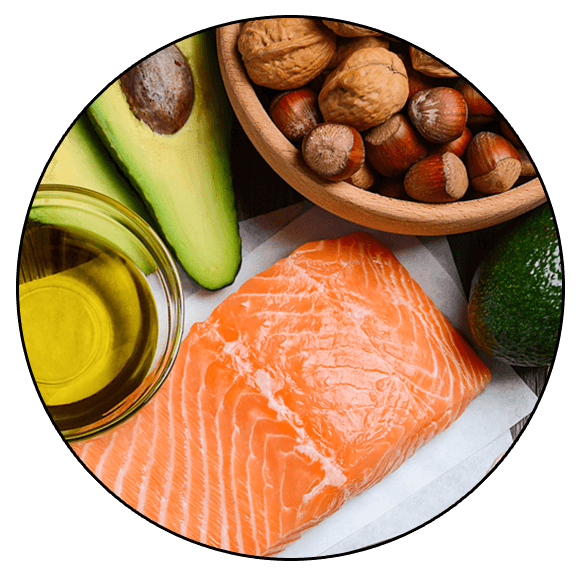
Accessible audio lesson
TOPIC · Course orientation and health literacy
Orientation: Read Keto Claims Safely
Subtopic: Educational scope, source age, medical boundaries and informed questions
KATO DIET is a critical-learning course built around the supplied Ketogenic Diet 101 materials. It explains the ideas in those recordings while teaching learners to separate a description, a hypothesis and a supported health claim. It does not diagnose, prescribe, replace treatment or promise a result.
Source-context note
The original introduction uses broad statements about weight loss and toxins. Treat these as claims for evaluation, not established outcomes.
- Health literacy
- The ability to find, understand and use health information to make informed decisions.
- Claim
- A statement that can be checked against evidence.
- Individualized care
- Advice adapted by a qualified professional to a person's conditions, medicines, needs and preferences.
- Red flag
- A sign or circumstance that calls for timely professional or emergency help.
Learning outcomes
- Explain the educational limits of the course.
- Distinguish an observation from a health claim.
- Identify when a clinician or registered dietitian should be involved.
Visual illustration
Draw a three-lane evidence road: supplied claim → current source check → safe personal question. Place a stop sign where a medication change or urgent symptom would require professional care.
Applied activity
Choose one claim from the introduction. Rewrite it as a neutral question, name the type of evidence needed, and list the professional who could help interpret it.
Assessment evidence
A one-page health-literacy pledge and claim-checking example.
- Educational scope is stated
- Claim becomes a neutral question
- Appropriate evidence is identified
- Professional referral is appropriate
LESSON 2 · 2:23 · 1080p HD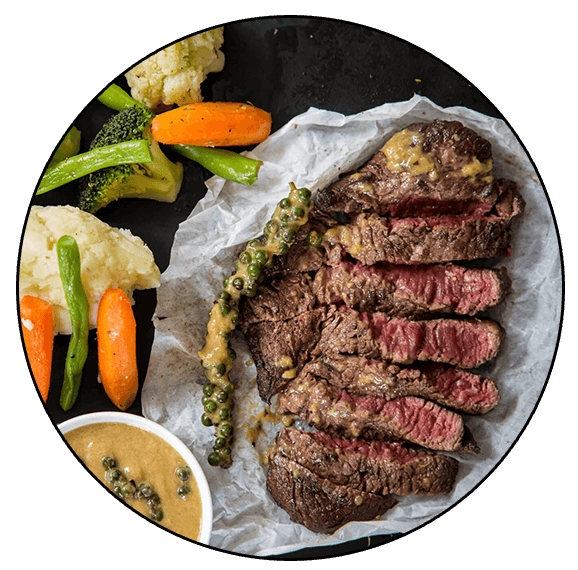
Accessible audio lesson
TOPIC · Metabolic foundations
Ketosis Foundations: Fuel, Metabolism and Terminology
Subtopic: Carbohydrate, glucose, insulin, fat oxidation, ketones and ketosis
A ketogenic dietary pattern is very low in carbohydrate, higher in fat and adequate or moderate in protein, with the aim of increasing ketone production. Nutritional ketosis is a regulated metabolic state; diabetic ketoacidosis is a dangerous medical emergency and is not the goal of a diet.
Source-context note
The chapter provides a simplified fuel story. The curriculum adds the missing distinction between glucose, insulin, ketone production and ketoacidosis.
- Carbohydrate
- A macronutrient that includes sugars, starches and fibre.
- Ketone body
- A fuel molecule produced mainly by the liver when fat breakdown is high and carbohydrate availability is low.
- Nutritional ketosis
- A controlled rise in ketone production associated with carbohydrate restriction or fasting.
- Diabetic ketoacidosis
- A dangerous buildup of acids caused by severe insulin deficiency; it requires urgent medical treatment.
Learning outcomes
- Describe the broad fuel shift intended by ketogenic diets.
- Use glucose, insulin, ketone and ketosis accurately.
- Explain why nutritional ketosis and diabetic ketoacidosis are not interchangeable.
Visual illustration
Create a labelled fork: carbohydrate availability → glucose use; lower carbohydrate availability → fat oxidation → liver ketone production. Add a separate red emergency box for diabetic ketoacidosis.
Applied activity
Correct three oversimplified statements from the recording, including the statement that carbohydrate is turned into insulin. Explain the role of evidence in each correction.
Assessment evidence
A labelled metabolism concept map and a 150-word correction note.
- Key terms are accurate
- Ketosis and ketoacidosis are separated
- Oversimplification is corrected respectfully
- Sources or questions are recorded
Health Claims, Conditions and Evidence
Evaluate claims about weight, cognition, cancer, epilepsy and blood pressure without overstating evidence or crossing treatment boundaries.
LESSON 3 · 6:56 · 1080p HD
Accessible audio lesson
TOPIC · Evidence appraisal
Benefits Under the Lens: Weight, Energy, Brain and Skin Claims
Subtopic: Benefits, uncertainty, outcomes, comparison groups and time horizon
A benefit claim should identify who was studied, what outcome was measured, what it was compared with and for how long. Short-term changes in body weight or blood glucose do not prove that one diet is best for every person or safe indefinitely.
Source-context note
The recording includes strong benefit statements. Use the lesson to practise evidence appraisal rather than treating every statement as current guidance.
- Outcome
- A result measured in a study, such as blood pressure, seizure frequency or body weight.
- Comparison group
- A group used as a reference for judging whether an intervention made a difference.
- Absolute claim
- A statement such as always, fastest or best that allows no uncertainty or individual variation.
- Time horizon
- The length of time over which an effect or risk is observed.
Learning outcomes
- Identify absolute and causal language.
- Ask who, compared with what and for how long.
- Rewrite a promotional benefit as an evidence-aware statement.
Visual illustration
Build a claim balance with potential benefit on one side and population, comparison, duration, harms and uncertainty on the other.
Applied activity
Audit the chapter's weight, energy, cognition and skin statements. Label each as description, association, causal claim or unsupported conclusion, then rewrite two cautiously.
Assessment evidence
A four-claim evidence table with cautious rewrites.
- Claim type is correctly identified
- Population and duration are questioned
- Uncertainty is visible
- Rewrite avoids guarantees
LESSON 4 · 4:25 · 1080p HD
Accessible audio lesson
TOPIC · High-stakes claim evaluation
Cancer Claims and Evidence Boundaries
Subtopic: Mechanism, human evidence, treatment boundaries and respectful communication
A laboratory mechanism or small study does not establish that a diet prevents, starves or treats cancer. People with cancer need care from their oncology team and qualified nutrition professionals; dietary experiments must not delay or replace proven treatment.
Source-context note
The chapter contains cancer claims that exceed the evidence presented. They are retained only as material for critical analysis.
- Mechanism
- A proposed process through which an effect might occur.
- Clinical outcome
- A meaningful result in people, such as symptoms, survival or quality of life.
- Adjunct
- An approach used alongside, not instead of, standard treatment.
- Evidence boundary
- The limit beyond which available research does not support a conclusion.
Learning outcomes
- Distinguish a proposed mechanism from a proven treatment effect.
- Identify unsafe cancer-treatment language.
- Write a responsible referral statement.
Visual illustration
Draw an evidence ladder: cell model → animal study → early human study → controlled trial → clinical guidance. Mark where the supplied claim attempts to jump rungs.
Applied activity
Review the phrase that a diet can remove cancer's food or starve it. Write a correction that protects hope, accuracy and continuity of medical care.
Assessment evidence
An evidence-ladder annotation and a 200-word responsible rewrite.
- Mechanism is not presented as treatment
- No cure or prevention promise is made
- Oncology care is protected
- Language is accurate and compassionate
LESSON 5 · 3:04 · 1080p HD
Accessible audio lesson
TOPIC · Therapeutic ketogenic diets
Epilepsy: A Medical Dietary Therapy
Subtopic: Drug-resistant seizures, specialist teams, monitoring and treatment fidelity
The classic ketogenic diet is an established medical dietary therapy for some people with drug-resistant epilepsy. It is prescribed and monitored by a clinical team; it is not the same as casually following a popular weight-loss diet.
Source-context note
The chapter identifies epilepsy as a historical and current clinical use. The curriculum adds contemporary supervision and monitoring context.
- Drug-resistant epilepsy
- Epilepsy in which seizures have not been controlled by appropriate antiseizure medicines.
- Dietary therapy
- A structured food-based treatment delivered for a clinical purpose.
- Clinical monitoring
- Planned review of symptoms, growth, laboratory values, medicines, side effects and adherence.
- Interprofessional team
- Professionals from different disciplines who coordinate care.
Learning outcomes
- Describe an evidence-supported clinical use of ketogenic therapy.
- Explain why specialist supervision matters.
- Identify monitoring and side-effect questions.
Visual illustration
Map the care team around the learner or patient: physician, dietitian, nurse, pharmacist, family and school or workplace support.
Applied activity
Compare the supplied historical account with current epilepsy dietary-therapy guidance. Record three consistencies, three missing safeguards and two questions for a clinical team.
Assessment evidence
A supervised-care map and comparison note.
- Clinical use is described accurately
- Supervision is explicit
- Monitoring is concrete
- Medication changes remain clinician-led
LESSON 6 · 2:55 · 1080p HD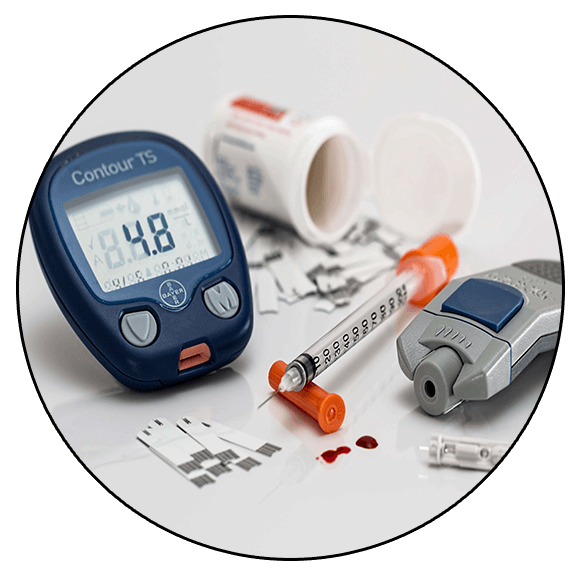
Accessible audio lesson
TOPIC · Cardiometabolic reasoning
Blood Pressure, Weight and Nutrient Claims
Subtopic: Blood pressure, medicines, potassium, sodium, hydration and individual variation
Blood pressure and body weight respond to many interacting factors. A restrictive eating pattern may also change fluid balance, nutrient intake and medicine needs. Learners should never adjust blood-pressure or diabetes medicines from a course recording.
Source-context note
The recording presents a simplified blood-pressure explanation and food list. The lesson reframes them as prompts for individualized professional review.
- Blood pressure
- The force of circulating blood against artery walls, recorded as systolic over diastolic pressure.
- Electrolyte
- A mineral with an electric charge, such as sodium or potassium, involved in fluid balance and nerve and muscle function.
- Interaction
- A situation in which a diet, condition, medicine or supplement changes the effect or safety of another.
- Monitoring plan
- An agreed schedule for observations, tests, symptoms and follow-up.
Learning outcomes
- Avoid treating one blood-pressure number as a universal target.
- Explain why food and electrolyte advice must consider medicines and kidney function.
- Draft safe questions for a clinician.
Visual illustration
Create a systems wheel connecting food pattern, hydration, sodium, potassium, medicines, kidney function, activity, sleep and measured blood pressure.
Applied activity
Turn the chapter's potassium list and weight-loss comparison into a safety checklist: what information is missing, who could be harmed and what should be verified?
Assessment evidence
A systems wheel and a ten-item verification checklist.
- Multiple influences are included
- Medicine changes are not recommended
- Kidney and diabetes context is considered
- Questions invite professional review
Food and Nutrient Literacy
Analyse food suggestions for nutritional adequacy, variety, fibre, fat quality, allergens, access and cultural fit.
LESSON 7 · 7:03 · 1080p HD
Accessible audio lesson
TOPIC · Food and nutrient literacy
Food Pattern Analysis: Protein, Vegetables, Fats and Fibre
Subtopic: Food groups, quality, variety, fibre, micronutrients, allergens and access
A food can be low in carbohydrate without making the total eating pattern nutritionally complete. Food quality, variety, fibre, micronutrients, culture, allergies, affordability and sustainability still matter.
Source-context note
The chapter lists common ketogenic foods. The curriculum adds nutrient adequacy, access and food-quality questions.
- Macronutrient
- Carbohydrate, fat or protein—nutrients needed in relatively large amounts.
- Micronutrient
- A vitamin or mineral needed in smaller amounts for normal function.
- Fibre
- Carbohydrate from plant foods that is not fully digested and supports bowel and metabolic health.
- Nutrient density
- The amount of beneficial nutrients a food provides relative to its energy.
Learning outcomes
- Classify the foods in the chapter by nutrients and practical role.
- Identify possible fibre and micronutrient gaps.
- Suggest variety without prescribing an individual diet.
Visual illustration
Design a food-pattern plate that shows variety among non-starchy vegetables, protein foods, fats and fibre sources, plus a question bubble for individualized needs.
Applied activity
Audit the chapter's seafood, vegetable, dairy, meat and fat suggestions for variety, fibre, allergens, cost, culture and saturated-fat balance.
Assessment evidence
A five-column food-pattern audit and annotated plate.
- Food categories are accurate
- Fibre and micronutrients are considered
- Allergy and access issues are noted
- No food is labelled morally good or bad
Comparison, Preparation and Safety
Compare dietary patterns neutrally and build a safety gate around labels, medicines, monitoring and stop rules.
LESSON 8 · 8:24 · 1080p HD
Accessible audio lesson
TOPIC · Diet-pattern comparison
Keto, Low-Carb and Paleo: Compare Rather Than Rank
Subtopic: Definitions, overlap, differences, adherence, outcomes and personal context
Keto, low-carbohydrate and Paleo are labels for varied eating patterns, not single standardized products. A responsible comparison uses explicit definitions and considers nutritional adequacy, feasibility, evidence quality and individual context rather than declaring a universal winner.
Source-context note
The recording ranks several diet labels with absolute language. The lesson turns that material into a neutral comparison exercise.
- Dietary pattern
- The overall combination and frequency of foods and drinks over time.
- Adherence
- How closely and sustainably a person can follow an agreed plan.
- Feasibility
- Whether an approach is realistic given health, budget, culture, skills and daily life.
- Comparator
- The alternative against which an intervention is evaluated.
Learning outcomes
- Define each comparison category before judging it.
- Identify false rankings and unsupported best-diet claims.
- Build a neutral comparison matrix.
Visual illustration
Draw a Venn diagram for ketogenic, low-carbohydrate and Paleo patterns, then add an outer ring for medical needs, culture, cost and sustainability.
Applied activity
Replace the recording's random, healing, best and healthiest descriptions with neutral criteria. Score only the quality of available information—not which diet a person should follow.
Assessment evidence
A comparison matrix and 200-word evidence reflection.
- Patterns are defined before comparison
- Ranking language is removed
- Context and adherence are included
- Conclusion matches the evidence
LESSON 9 · 7:11 · 1080p HD
Accessible audio lesson
TOPIC · Preparation and risk management
Getting Started Safely: Labels, Monitoring and Support
Subtopic: Food labels, medicines, symptoms, support, measurement and stop rules
Safe preparation begins before changing food intake: review health conditions and medicines, define the educational goal, identify monitoring needs and agree on stop or seek-help rules. Ketone testing is not automatically necessary for everyone and should have a clear clinical purpose.
Source-context note
The chapter emphasizes pantry changes, weighing and ketone tracking. The curriculum places clinical screening and clear stop rules before those actions.
- Baseline
- Information recorded before a change so later observations have context.
- Stop rule
- A pre-agreed sign or threshold that means pause and seek advice.
- SGLT2 inhibitor
- A medicine class used for some people with diabetes, heart failure or kidney disease that carries a ketoacidosis warning.
- Euglycemic ketoacidosis
- Ketoacidosis that can occur without markedly high blood glucose.
Learning outcomes
- Read carbohydrate and ingredient information on a food label.
- Explain why medicines and conditions must be reviewed first.
- Create a non-prescriptive monitoring and escalation plan.
Visual illustration
Design a safety gate with four checks: purpose, clinician review, monitoring plan and stop rules. No meal-planning arrow passes the gate first.
Applied activity
Create a preparation worksheet using hypothetical information only. Include medicines to review, baseline questions, common symptoms to discuss, urgent warning signs and a contact plan.
Assessment evidence
A completed safety-gate worksheet and two food-label annotations.
- Medication review comes first
- Monitoring has a purpose
- Urgent symptoms are separated from routine discomfort
- Plan avoids self-adjusting treatment
Recipe Analysis Studio
Transform supplied recipes into transparent, adaptable learning objects with portions, allergens, calculations and trade-offs made visible.
LESSON 10 · 14:35 · 1080p HD
Accessible audio lesson
TOPIC · Applied food analysis
Recipe Lab: Nutrition, Portions, Allergens and Substitutions
Subtopic: Recipe structure, nutrient estimates, label accuracy, food safety and adaptation
A recipe is a starting formula, not a medical prescription. Ingredient choices, portions, brands and preparation methods change nutrition estimates. Learners should identify allergens, food-safety steps and nutrient trade-offs before calling a recipe suitable for a particular person.
Source-context note
The chapter provides recipes and estimates. Treat all figures as source material to verify because ingredient brands and portions vary.
- Serving size
- The stated amount used to calculate nutrition information; it may differ from the amount someone chooses to eat.
- Net carbohydrate
- A marketing calculation that commonly subtracts some fibre and sugar alcohols from total carbohydrate; methods vary.
- Allergen
- A substance capable of triggering an immune reaction in a susceptible person.
- Substitution
- An ingredient change made for availability, preference, allergy, cost or nutrition needs.
Learning outcomes
- Analyse a recipe without promising a health outcome.
- Check serving assumptions and allergens.
- Propose substitutions and explain their trade-offs.
Visual illustration
Create a recipe annotation ring around ingredients: portion, total carbohydrate, fibre, protein, fat type, sodium, allergen, cost and food-safety note.
Applied activity
Choose one supplied recipe. Check its serving logic, identify major allergens, verify whether the nutrition statement is reproducible, and propose two substitutions with trade-offs.
Assessment evidence
An annotated recipe card and a transparent calculation note.
- Serving assumptions are visible
- Allergens and safety are identified
- Nutrition estimates are qualified
- Substitution trade-offs are explained
Sustainability and Informed Decision Portfolio
Integrate evidence, safety, food analysis and reflective planning into a non-prescriptive final portfolio.
LESSON 11 · 3:56 · 1080p HD
Accessible audio lesson
TOPIC · Review and capstone planning
Sustainability, Fasting Claims and Informed Next Steps
Subtopic: Maintenance, restrictive patterns, fasting, reflection and professional questions
A sustainable plan supports health, nutrition, culture, relationships and daily life. Fasting and long-term carbohydrate restriction are not automatic next steps; they require consideration of age, pregnancy, eating-disorder risk, diabetes medicines, kidney or liver conditions and other individual factors.
Source-context note
The conclusion promotes maintenance and fasting. The curriculum treats these as separate decisions requiring individualized review, not automatic recommendations.
- Sustainability
- The ability to continue an approach without unacceptable health, social, financial or practical costs.
- Intermittent fasting
- Eating patterns that alternate scheduled periods of eating and not eating.
- Eating-disorder risk
- Factors or symptoms suggesting that restriction may harm a person's relationship with food, body or health.
- Shared decision-making
- A process in which a person and qualified professional combine evidence, clinical judgment, goals and preferences.
Learning outcomes
- Evaluate whether a plan is sustainable and appropriate to discuss.
- Recognize that fasting is a separate intervention with separate risks.
- Assemble a non-prescriptive education portfolio.
Visual illustration
Draw a sustainability compass with health, nutrition, culture, cost, enjoyment, support and review. Add a centre label: informed choice.
Applied activity
Complete the capstone by selecting three claims from across the course, appraising them, creating one balanced recipe analysis, drafting questions for a professional and writing personal stop rules for any future discussion.
Assessment evidence
A six-part health-information portfolio and reflective conclusion.
- Claims are appraised with evidence boundaries
- Plan is non-prescriptive
- Risks and referral points are explicit
- Reflection supports informed choice
Original media, editable source files and safer learning context.
All eleven supplied MP4 lessons are presented in 1920 × 1080 HD with their matching MP3 audio. The complete Word, PowerPoint and Keynote lesson sources are preserved in one archive. Legacy Flash players are not executed.
Complete visual bundle
Use the original artwork to study visual hierarchy, promise, audience and product presentation.
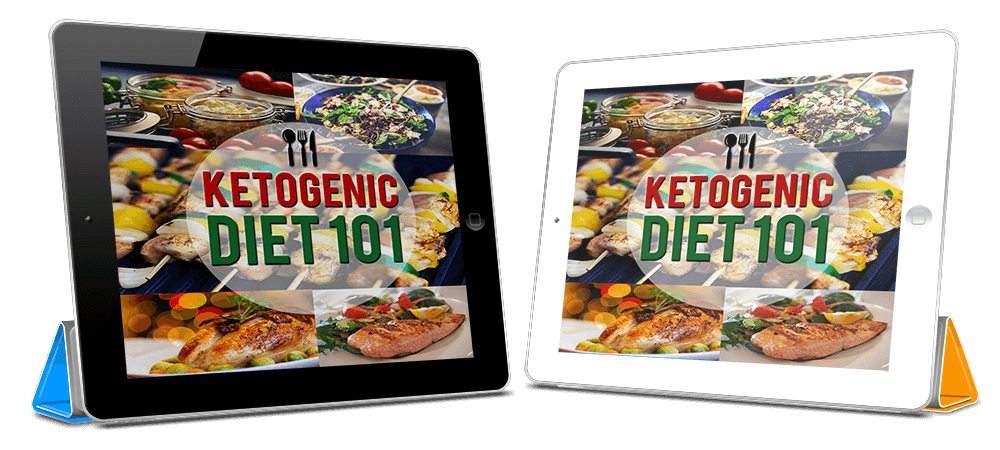
Multi-format learning
Video, audio, source slides, structured tests and print materials support different modes of study.

Safety-first checklist
Define the claim, inspect evidence, check individual risk, involve the right professional and record uncertainty.
HISTORICAL PROMOTIONAL-LITERACY STUDY
Watch the supplied advertisement, then evaluate its promises.
The advertisement uses urgency, exclusivity, a price anchor and claims about weight, time saved and increased results. It is not a current RE1 sale or health promise. Identify claims needing evidence, rewrite them responsibly and follow the free course link.
Use current sources for current decisions.
NIDDKDiabetes, ketones and ketoacidosis safety ↗U.S. FDACurrent empagliflozin label and ketoacidosis warning ↗Epilepsy FoundationClinically monitored dietary therapies ↗Cambridge University Hospitals NHSMonitoring and possible side effects ↗NCBI BookshelfClinical applications and team-based monitoring ↗
SUMMATIVE CAPSTONE
Produce a KATO DIET health-information portfolio.
Submit a terminology map, three claim appraisals, one condition-specific evidence boundary, a food-pattern audit, an annotated recipe, a safety-gate plan and a reflective list of questions for a qualified professional.
- Terminology and metabolic accuracy — 20%Clear definitions and correct distinction between nutritional ketosis and ketoacidosis.
- Evidence appraisal — 20%Claims, populations, comparisons, duration, harms and uncertainty are visible.
- Food and recipe literacy — 20%Variety, fibre, nutrients, portions, allergens, access and trade-offs are analysed.
- Safety and referral — 20%Medicines, conditions, monitoring, urgent symptoms and professional roles are addressed.
- Communication and reflection — 20%Writing is respectful, non-stigmatizing, non-prescriptive and supported by sources.
